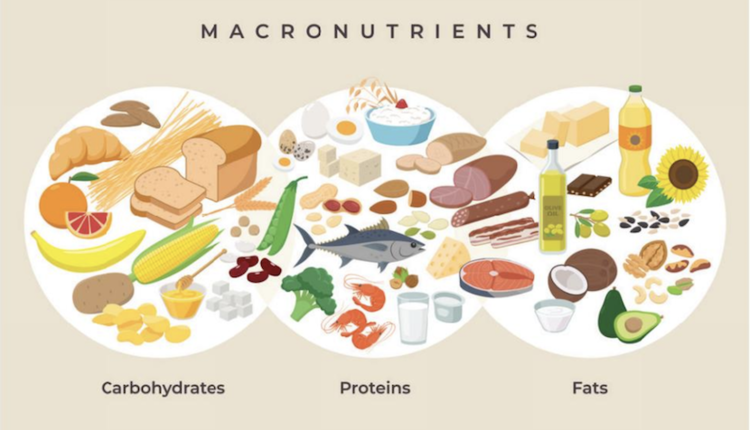
Protein is one of the three foundational macronutrients and plays an important role in satiety, preserving lean mass during weight loss, and building muscular size and strength. Although fat loss ultimately requires an energy deficit, adequate protein can help people feel fuller and retain more lean tissue as they lose weight. The exact amount of protein your body requires depends heavily on your lifestyle, activity level and fitness goals.
 Dr. Megan Johnson McCullough is a Doctor of Health and Human Performance. She received her M.A. in Education – Physical Education and Health Science. Megan has been personal training for 14 years and coaching since 2007. Megan is an elite NASM Master Trainer and professional natural bodybuilder. She is certified from the National Academy of Sports Medicine (NASM) and the National Exercise & Sports Trainers Association (NESTA). Megan also holds titles of Corrective Exercise Specialist, Drug & Alcohol Recovery Fitness Specialist, Fitness Nutrition Specialist and Senior Fitness Specialist. Megan is a Wellness Coach as well as a Lifestyle and Weight Management Specialist. Visit www.everybodysfitoceanside.com and www.mindfulbodysrecovery.com.
How Much Protein Is Enough?
As we age, muscle atrophy can occur due to declining activity levels, nutritional deficiencies and reduced nutrient absorption. According to dietary guidelines, a sedentary individual requires a baseline of roughly 0.36 grams of protein per pound of body weight to meet basic nutritional needs. However, if your goal is preserving lean tissue, gaining mass or improving performance, that intake must increase. The Academy of Nutrition and Dietetics recommends consuming 0.64 to 0.82 grams of protein per pound of body weight daily when pursuing muscle growth, meaning a 150-pound person should target approximately 96 to 123 grams of protein each day.
Why Protein Matters for Clients Using GLP-1s
With the widespread rise of GLP-1 receptor agonists and medications such as semaglutide, prioritizing protein has become even more important. These medications significantly suppress appetite and lower daily calorie intake, which may increase the risk of losing lean tissue along with body fat. When someone consumes substantially fewer calories without adequate dietary protein, preserving muscle can become more difficult. Adopting a protein-first mindset helps ensure that essential amino acids are consumed before premature fullness sets in. Getting enough daily protein may also help reduce the risk of nutrition-related fatigue, muscle weakness and hair loss during periods of rapid weight loss.
Quality, Timing and Convenience
Muscular adaptation and recovery require combining intentional nutrition with appropriate timing and sourcing. Consuming high-quality protein around the time of a workout provides the essential amino acids needed to support muscle repair and synthesis, although total daily protein intake and consistent distribution throughout the day are most important. Lean meats, fish, eggs, dairy options such as Greek yogurt, and plant sources such as soy provide complete protein profiles. While whole foods should remain the dietary foundation, high-quality protein powders and ready-to-drink shakes offer an easily digestible and convenient way to meet protein targets, especially when appetite is low or time is tight.
The Trainer’s Role in Protecting Muscle
Protein supplies the building blocks for muscle repair, but resistance training provides the stimulus. A well-designed program that progressively increases the challenge can help clients build or preserve lean mass at virtually any age. For clients losing weight—particularly those using GLP-1 medications—trainers can reinforce consistent resistance training, help monitor changes in strength and function, and encourage collaboration with the client’s prescribing clinician and a registered dietitian for individualized nutrition guidance. Protein needs vary, but the larger message is simple: successful weight loss should focus not only on pounds lost, but also on preserving strength, muscle and long-term function.